Key Points
-
444,000 Connecticut residents
rely on Federally Qualified Health Centers (FQHCs) for primary care, but access is at risk due to stagnant Medicaid reimbursement rates
-
Connecticut recently committed
to increasing FQHC Medicaid rates by 40% over three years ($15M in FY26, $45M in FY27, further increases in FY28)—the first across-the-board increase in nearly two decades
-
Despite this progress,
Connecticut still trails neighboring states that adjusted rates years earlier, leaving rates below the true cost of care
The cost of inaction is high:
Without sustained intervention regions across Connecticut are at risk of losing access to the vital medical, dental, and behavioral health services FQHCs provide
Share
Share this story about how proper provider reimbursement strengthens care for everyone.


How Connecticut Responded to the Crisis
FQHCs across Connecticut are in crisis. Stagnant Medicaid reimbursement rates and recent federal funding freezes have created significant uncertainty and operational delays. Week-long gaps in grant payments, typically processed in 24 hours, mean patients experience reduced access to basic services while providers face increased financial strain — a perfect storm pushing rural health centers to the brink.
In early March, Community Health Center Association of Connecticut (CHCACT) took legal action against the state citing reimbursement rates the nonprofit claims are too low to cover the cost of service delivery to Medicaid-insured patients.
Lawmakers have responded. Sen. Matt Lesser and Rep. Jillian Gilchrest proposed a comprehensive plan to address these shortfalls. Connecticut committed $80 million over three years, increasing FQHC reimbursement rates by 40% — the first across-the-board increase in nearly two decades.
Yet even with this progress, Connecticut still trails neighboring states that adjusted rates years earlier. Without sustained intervention, rural FQHCs face sharp revenue drops, increased administrative burdens, and reduced provider capacity — which could result in entire communities being left without essential healthcare services.
What This Means in Northwest Connecticut
In February 2025, Community Health & Wellness Center (CHWC) indefinitely suspended dental services in its Torrington and Winsted locations. Significant financial shortfall—due to underfunding by the state of Connecticut’s Medicaid program coupled with increasing market wages, workforce shortages, and the price tag for dental procedures—was cited as spurring this difficult decision.
“We understand the critical importance of dental care, and this decision was not made lightly…”
Joanne Borduas, CEO of Community Health & Wellness
“We understand the critical importance of dental care, and this decision was not made lightly,” said Joanne Borduas, CEO of Community Health & Wellness, who added: “We will continue to explore funding options to restore dental services and are in conversations with local and state legislators as well as the Department of Social Services who manages the state’s Medicaid program.”
In North Canaan, CHWC faces ongoing challenges surrounding recruitment and retention of providers. Contributing factors span increasing market wages and an aging workforce to low population density and high cost of living—all of which pose challenges when it comes to attracting qualified providers to the region.
How Rate Changes Affect People
For individuals like Amy Burton of Torrington, Community Health & Wellness Center means access to invaluable services that might otherwise be out of reach.
“At one point, I was referred to a pulmonologist in Waterbury which is 20 miles away,” says Burton, who does not own a car. Given that she’s insured by HUSKY Health, it was her only option. While Burton considers herself luckier than most (given she has family in the area who can pitch in to help with transportation when needed), Community Health & Wellness Center in Torrington has changed her life.
“Everyone deserves to be healthy,” says Burton, whose lived experience includes being unhoused. Over the years, she has always felt welcome and respected at CHWC where she receives primary care, nutrition support, and diabetes education. Established in 2002, the nonprofit obtained FQHC status in 2009.
“At one point, I was referred to a pulmonologist in Waterbury which is 20 miles away,” says Burton, who does not own a car. Given that she’s insured by HUSKY Health, it was her only option.
For folks like Burton’s 25-year-old son, whose work does not provide health insurance, CHWC offers another invaluable service: A sliding fee discount available to all individuals living at or below 200% of federal poverty guidelines — currently $31K per year for a single person—regardless of insurance status.
“Everyone deserves to be healthy,” says Burton, emphasizing the takeaway: “Healthcare is not a privilege, it’s a right.”
Community Voices


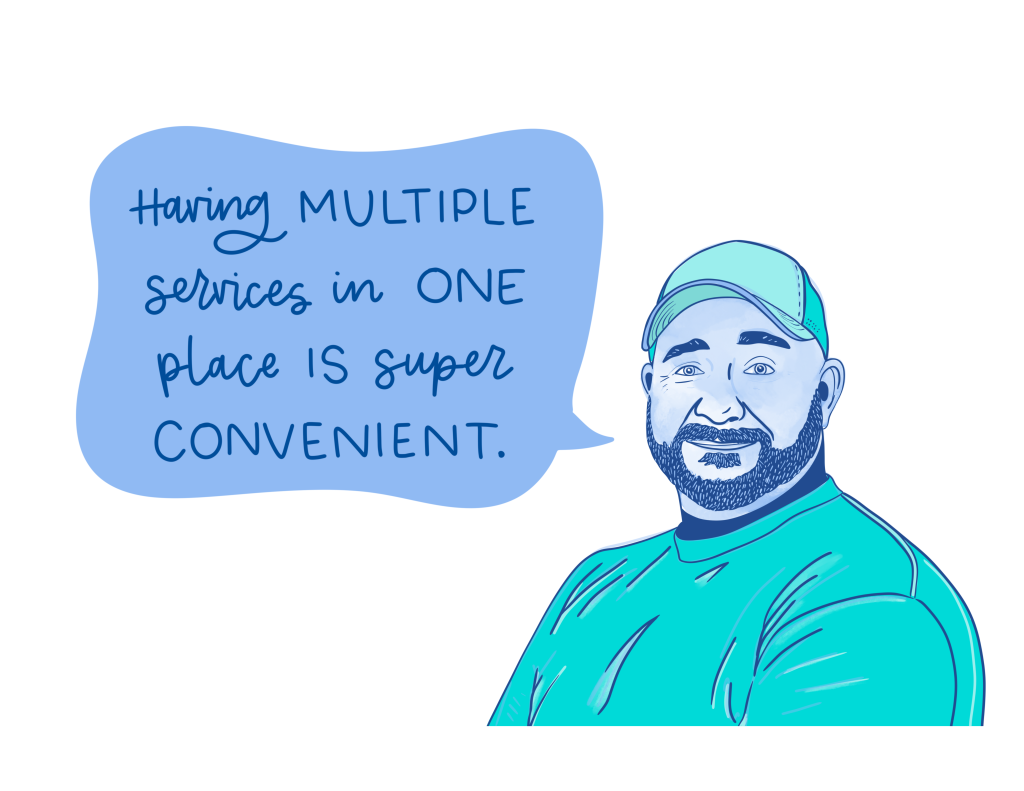
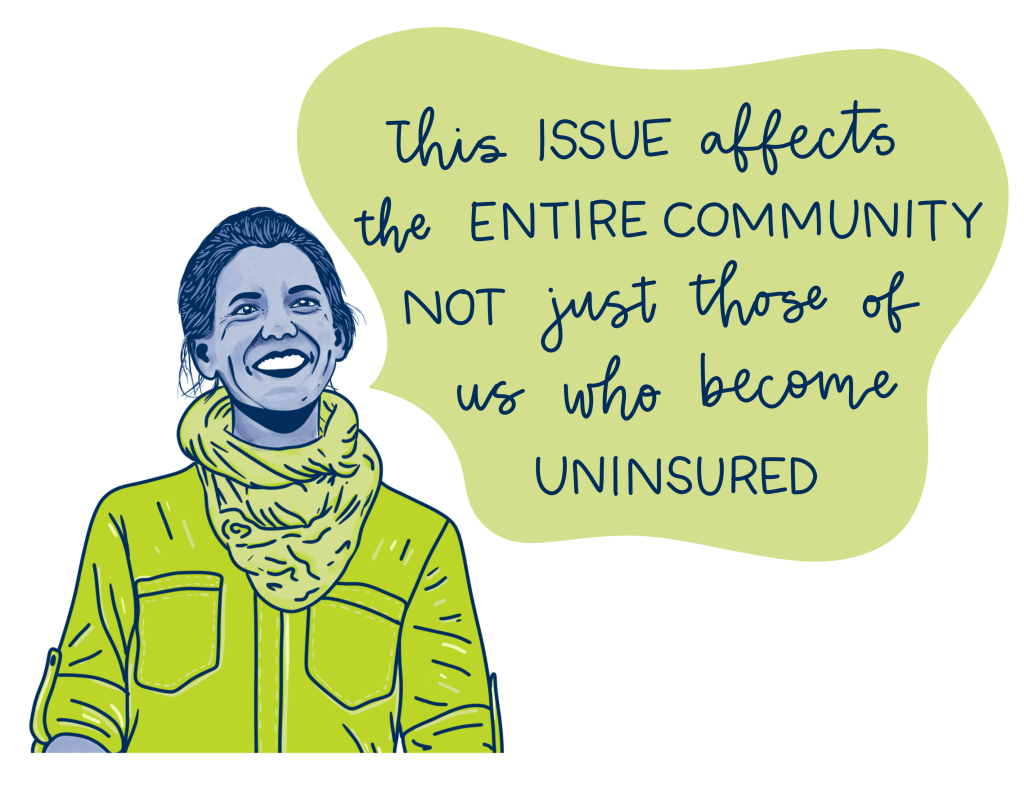
Why This Matters for All Connecticut Residents
The Healthcare Safety Net is Unraveling: Countless individuals across Connecticut rely on FQHCs to meet their diverse healthcare needs under a single roof. But stagnant reimbursement rates are creating a domino effect that threatens the entire healthcare ecosystem.
Everyone Pays the Price: While 60% of FQHC patients are covered by Medicaid, 40% utilize their services for other reasons including proximity, convenience, and preferred providers.
The Hidden Tax on Working Families: Connecticut’s reimbursement rates lag significantly behind peer states, as confirmed by a February 2024 Medicaid Rate study and documented in CHCACT’s legal filing, which found Connecticut’s average FQHC Medicaid rate at ‘the bottom of the spectrum’ in New England. This creates a ‘hidden tax’ where:
- Commercial insurers raise premiums to compensate for Medicaid underpayment
- Employers and employees bear higher healthcare costs
- Medicaid beneficiaries have poorer access and health outcomes, driving them to emergency departments for preventable conditions
Rural Communities Hit Hardest: In rural areas like Northwest Connecticut, FQHC closures mean entire regions lose their only source of primary care, dental services, and behavioral health support.

Help Protect Local Healthcare
Your healthcare experiences can shape the future of local healthcare funding. Stories may be shared with policymakers, healthcare leaders, and community organizations. All stories will remain confidential unless you give permission to share yours publicly.
The Economic Case for Action: Connecticut’s chronic underinvestment in Medicaid rates forces commercial insurers to subsidize underpayment while Medicaid providers lack resources to recruit staff and invest in quality improvements. Without more aggressive rate increases, Connecticut risks losing not just healthcare access, but also the efficiency that FQHCs provide to the entire system.
Recommendations
Connecticut needs immediate, comprehensive action to address this crisis. Key legislative priorities should include:
- Mandate immediate rate increases to bring Connecticut Medicaid rates to regional parity by 2026 – Connecticut’s Medicaid reimbursement rates currently lag behind neighboring states, creating a competitive disadvantage that drives providers to practice elsewhere. This disparity particularly hurts rural areas like Northwest Connecticut, where providers have fewer patients to offset low Medicaid payments and may choose to relocate to better-paying states nearby.
- Build on HB5459’s framework to ensure rates reach 100% of Medicare parity by 2027, not the slower timeline previously proposed – While HB5459 established a pathway toward Medicare parity, the current implementation timeline is too gradual to address urgent provider retention needs. Accelerating this timeline would help rural providers maintain financial viability and continue serving Northwest Connecticut communities that have limited alternative care options.
- Create Rural-Specific FQHC Protections – Federally Qualified Health Centers serve as critical safety nets in underserved areas, but rural FQHCs face unique financial pressures due to smaller patient volumes and higher per-patient costs. Northwest Connecticut’s rural FQHCs need targeted protections to prevent service reductions or closures that would leave entire communities without accessible primary care.
- Create rural FQHC sustainability grants for services at risk of closure – Rural FQHCs often struggle to maintain specialty services or extended hours due to low patient volumes that make these services financially unsustainable. Dedicated grants would help Northwest Connecticut FQHCs preserve essential services that residents would otherwise have to travel long distances to access.
- Mandate higher reimbursement floors for rural FQHCs serving populations under 25,000 – Small rural FQHCs cannot achieve the economies of scale that make urban centers financially viable, yet they serve populations with limited transportation and fewer healthcare alternatives. Higher reimbursement floors would recognize the higher per-patient costs of rural care delivery and help ensure these critical access points remain operational in Northwest Connecticut.
Sources
Connecticut Policy and Budget Documents
- Connecticut Biennial Budget 2026-2027 (Public Act 25-168)
- Connecticut Department of Social Services Phase 1 Medicaid Rate Study (February 2024)
- Community Health Center Association of Connecticut legal petition filing (March 2025)
- House Bill 5459: “An Act Increasing Rates of Medicaid Reimbursement for Certain Providers”
News Coverage and Reporting
- CT Mirror healthcare reporting by Katy Golvala (March-June 2025)
- Connecticut Public Radio coverage of federal policy impacts
- Hartford Courant coverage of budget resolution
Healthcare Organizations and Data
More From Here Briefs
Sep 2025 |
3 min read
After decades of building healthcare infrastructure in Northwest Connecticut, federal legislation threatens to undermine progress that brought essential services to rural communities. The…
Read the story
Sep 2025 |
3 min read
New York's Harlem Valley faces a perfect storm: $8 billion in Medicaid cuts, Essential Plan elimination for 1.6 million residents, and cross-border healthcare…
Read the story
Oct 2025 |
4 min read
As federal policy changes threaten healthcare access across rural America, the Rural Health Transformation Program offers $50 billion to help communities adapt. While…
Read the story
Nov 2025 |
4 min read
After decades of building regional food security infrastructure that connects local farms with families in need, federal cuts threaten to dismantle the systems…
Read the story