Meeting students where they are
How school-based health centers transform rural care access
REBECCA MALONE, APRN, FNP-BC provides school-based primary care to students in Region One—a program of Community Health & Wellness Center (CHWC) that’s funded, in part, by Medicaid. The family nurse practitioner is passionate about educating others about the joint federal and state program that covers medical costs for folks with limited resources.
“I want there to be less stigma surrounding Medicaid,” says Malone, pointing to the working families, small business owners, and caregivers who rely on it. Given low reimbursement rates, many providers can’t afford to take Medicaid, which is why CHWC, the only comprehensive Federally Qualified Health Center in the area, is integral to the community.

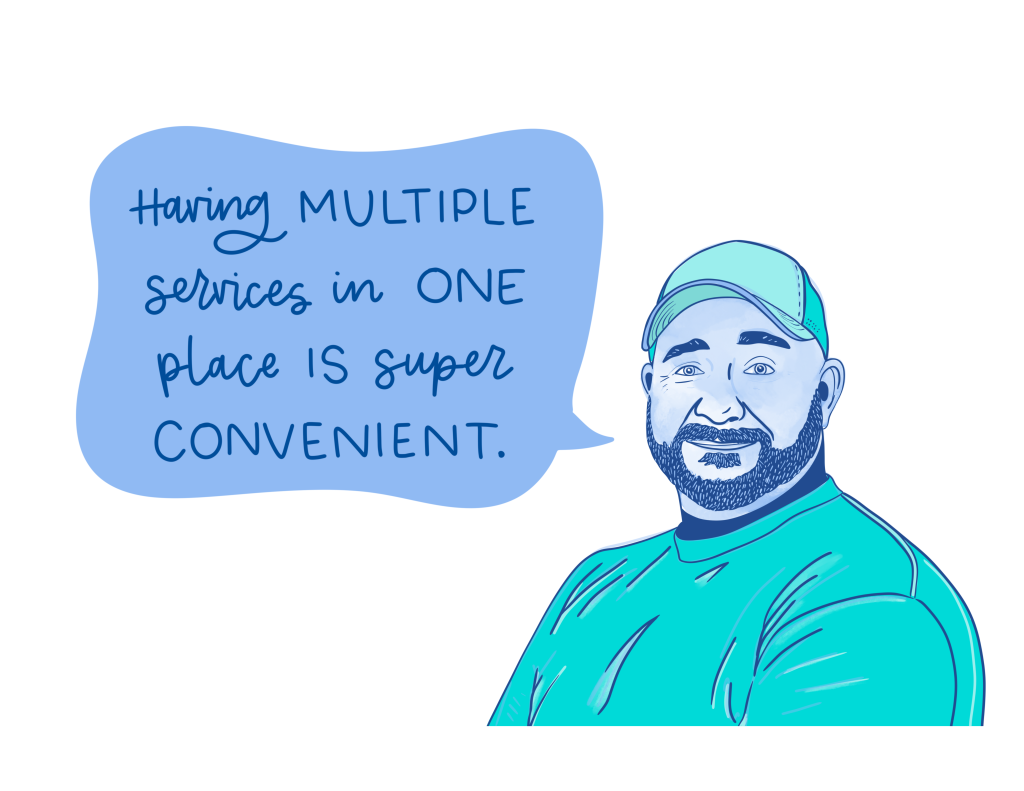
“In rural regions, School-Based Health Centers are game changers for families,” says Malone. In the Northwest Corner, getting to and from routine appointments for sports physicals, ear infections, and lab draws can easily take several hours round trip—time during which students miss class time and caregivers lose wages. “Offering services that meet patients where they are is invaluable,” says Malone, adding that when primary and behavioral health services are offered in a single location, the stigma often associated with mental health decreases.
“In the absence of adequate [Medicaid] reimbursement, services are at risk of being cut,” says Malone, which—in a region already deemed a primary-care and mental health desert—would be devastating for the region.
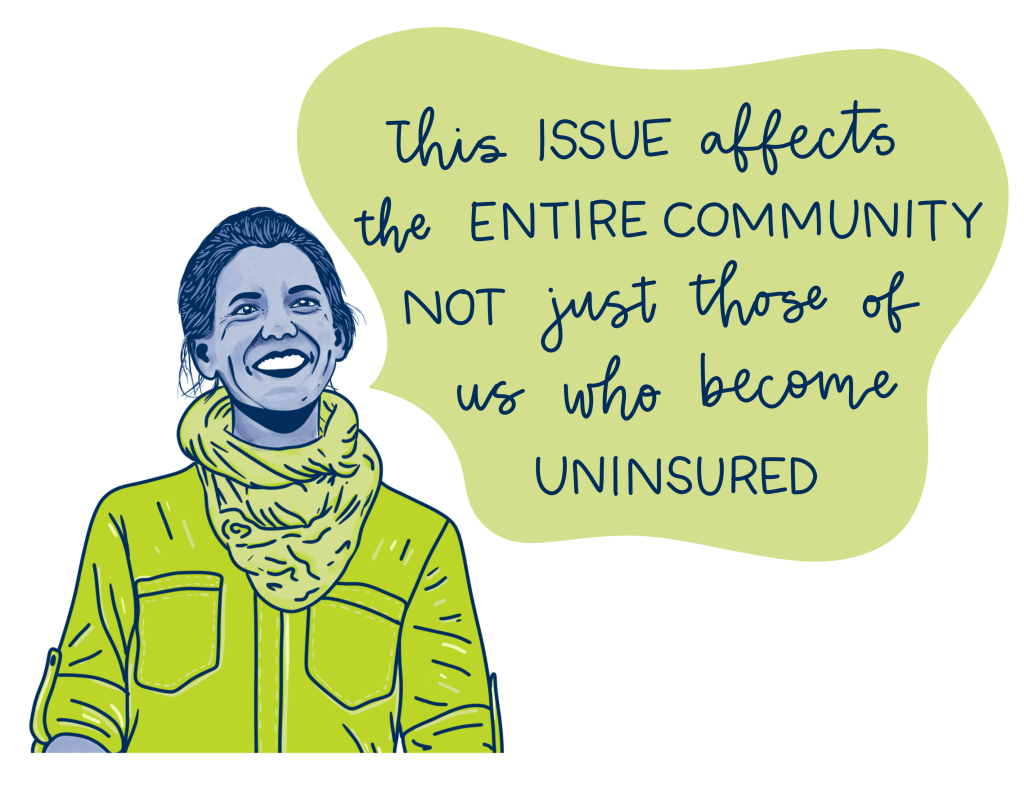
“Continuing to support our community’s needs in a single location like CHWC needs to be a priority for all, regardless of insurance coverage,” says Malone, who has watched primary care become increasingly bureaucratic over the past two decades.
“The FQHC model of treating the whole person is what medicine was intended to look like.”
Illustration by Michelle Newman.
More Local Voices