Key Points
-
355,426 residents in Dutchess and Columbia Counties face healthcare disruption as New York loses $8 billion in Medicaid spending
-
13.4% Dutchess County residents rely on Medicaid
-
1.6 million NY Essential Plan enrollees face coverage elimination with $228/month premium increases for couples
-
Cross-border healthcare networks spanning the Connecticut-New York border face additional strain as federal cuts threaten hospitals on both sides
Share
Help spread awareness about how federal funding cuts threaten healthcare access in Dutchess and Columbia Counties.


Changes Leading to Disruption in Healthcare
For residents of rural areas, proposed cuts to Medicaid come with dire consequences. In New York, decreased funding coupled with increased oversight could equal loss of coverage for millions.
The One Big Beautiful Bill Act, as H.R.1 is known, triggered immediate provider tax restrictions, the mechanism states use to fund their portion of Medicaid. The timing has created a crisis for New York. The state had just received federal approval in January 2025 for a new managed care organization tax projected to generate $3.7 billion over two years – funding the state had already committed to hospital rate increases and safety net programs in its 2026 budget. While the law allows the Secretary of Health and Human Services to grant a transition period of up to three years for states to come into compliance, it remains uncertain whether New York would receive such a waiver, putting at least a year (and likely more) of expected MCO tax revenue immediately at risk.
Federal funding cuts put the Essential Plan at risk of being eliminated – leaving low-income folks to face marketplace plans with major premium increases. Medicaid work requirements disproportionately affect cross-border commuters. For individuals who maintain residency in one state but work in another, coverage gaps emerge in the absence of streamlined policy across state lines.
In Columbia County, where population density is 96.5 people per square mile across 648 square miles, the closure of a single healthcare facility would leave vast areas without access to care.
What this Means for New York’s Harlem Valley
Rural hospitals, 44% of which already operate with negative margins, are at risk of further strain. In Hudson, Columbia Memorial Hospital anchors healthcare for over 110,000 residents across Columbia, Greene, and Dutchess counties; it also faces federal funding reductions. In Columbia County, where population density is 96.5 people per square mile across 648 square miles, the closure of a single healthcare facility would leave vast areas without access to care.
“When federal Medicaid funding gets cut, rural communities like ours face a perfect storm of healthcare collapse,” said Nancy Heaton, President and CEO of Foundation for Community Health, in a June 2025 opinion piece for The Millerton News. Under the Affordable Care Act, the federal government provides enhanced funding by covering 90% of costs for Medicaid expansion-enrolled individuals as opposed to the standard 50% federal match for traditional Medicaid recipients. The reconciliation bill specifically targets these enhanced funding streams, which “[equate to] $62.4 billion [annually] in New York,” she added, calling the reconciliation bill an intentional tool to deny healthcare access.
Both Dutchess and Columbia Counties serve populations with substantial median incomes of $97,273 and $83,619, respectively. These numbers include countless middle-class families who will face higher insurance premiums as hospitals shift costs. Cross-border commuters face coverage complications as networks restrict access during funding transitions.
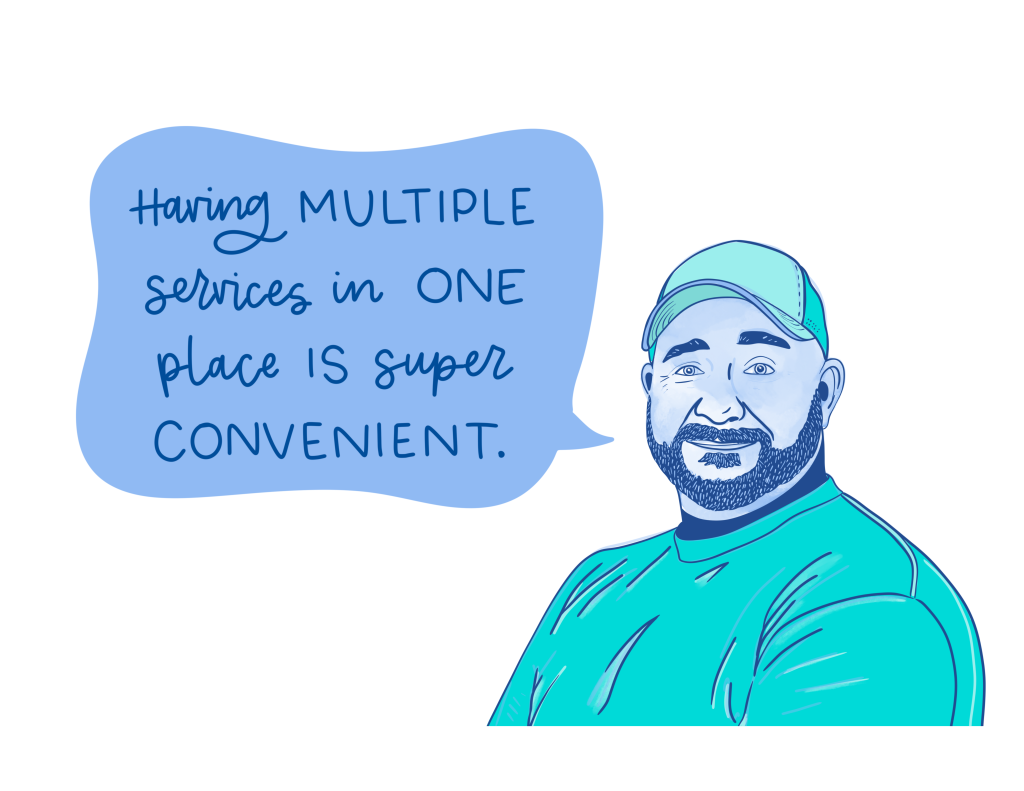
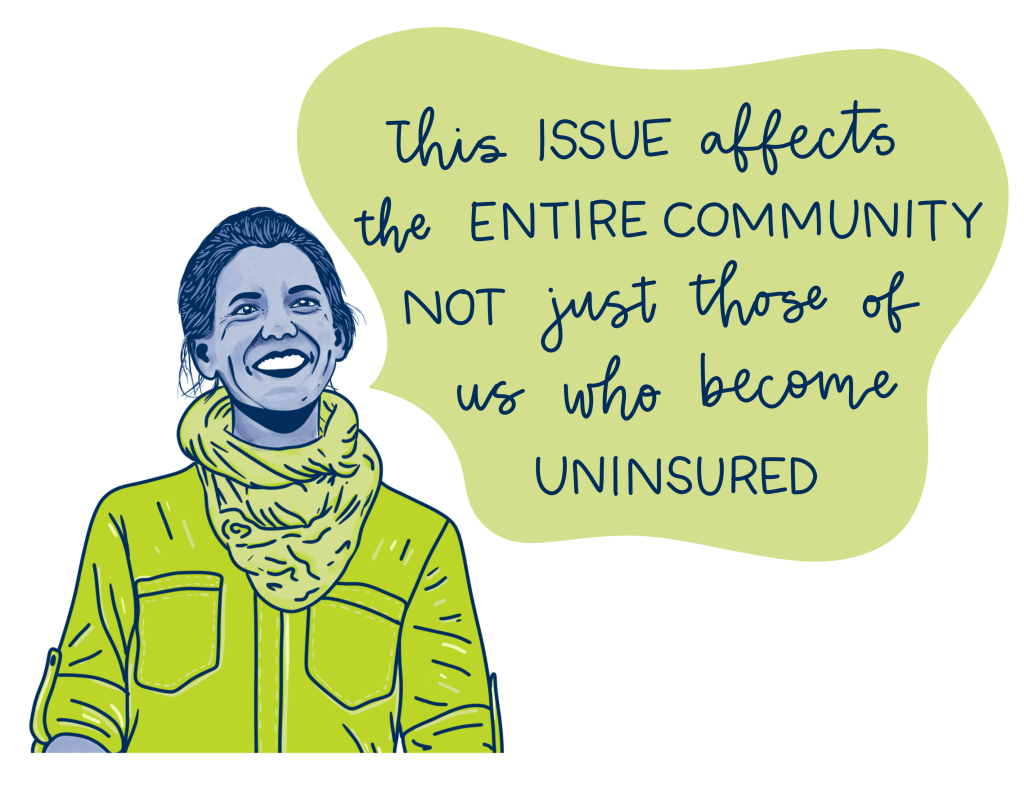
Community Voices


Broader Impact
Families Forced to Choose: Coverage complications and rising costs are forcing families to choose between healthcare and housing—reversing more than a decade of progress under the Affordable Care Act.
Cost-Shifting Creates a Ripple Effect: As rural hospitals shift costs on the heels of federal cuts, higher commercial premiums affect everyone.
Working Families Caught in the Middle: Changes to federal funding for Medicaid and the Essential Plan could eclipse 1.5 million folks from coverage in New York alone.
Geography Determines Access: Healthcare access is essential for urban residents and retirees who choose to live in New York’s Harlem Valley.
State Lines Don’t Match Real Life: The Harlem Valley straddles the Connecticut-New York border, where residents have long navigated coverage restrictions—Medicaid and Essential Plan coverage cannot cross state lines except for emergency care. This longstanding barrier becomes more acute as federal cuts threaten hospitals on both sides of the border, shrinking an already limited healthcare network for border communities.
Regional Economy at Stake: As federal cuts trigger local budget decisions, the regional economy is at risk—especially in Upstate New York where tourism, second homes, and professional services create economic networks federal policy doesn’t recognize.

Help Protect Local Healthcare
Your healthcare experiences can shape the future of local healthcare funding. Stories may be shared with policymakers, healthcare leaders, and community organizations. All stories will remain confidential unless you give permission to share yours publicly.
Recommendations
In order to offset potential losses, New York must:
- Apply for maximum Rural Health Transformation Program funding by December 31, 2025. New York has a narrow window in which to apply for its share of the $50 billion earmarked for rural healthcare improvements—a potential $5 billion over five years based on the State’s 10% share of national Medicaid spending.
- Maximize Federal Healthcare Waiver Opportunities. In order to maintain enhanced federal matching rates and preserve the 90% federal funding for the expansion population before work requirements take effect in 2027, the State must pursue aggressive Section 1115 Medicaid waiver amendments and Basic Health Program modifications.
- Prioritize interstate coordination. In order to best serve the Harlem Valley and broader Hudson Valley communities, the State must utilize existing medical licensure compacts and develop regional specialty care networks.
- Establish Emergency Essential Plan Replacement Funding. With 1.6 million New Yorkers facing coverage elimination and $7.6 billion in annual federal funding at risk, the State must create a dedicated funding mechanism to maintain coverage for displaced Essential Plan enrollees who would otherwise become uninsured.
Sources
Federal Policy Analysis
- KFF Policy Watch: How Might Federal Medicaid Cuts in the Senate-Passed Reconciliation Bill Affect Rural Areas?
- KFF Issue Brief: What Are the Implications of the 2025 Budget Reconciliation Bill for Hospitals?
- Center on Budget and Policy Priorities: House Republican Reconciliation Bill Would Harm Rural Households
New York State Analysis and Data
- Governor Hochul: New Data Showing Massive Increases in New Yorkers’ Monthly Health Insurance Costs
- Rockefeller Institute of Government: An Analysis of the One Big Beautiful Bill Act (OBBBA)’s Impact on Healthcare for New York
Rural Health Policy and Research
Interstate Healthcare Coordination
More From Here Briefs
Sep 2025 |
4 min read
Connecticut's recent commitment to increase FQHC Medicaid rates by 40% over three years marks the first across-the-board increase in nearly two decades—but challenges…
Read the story
Sep 2025 |
3 min read
After decades of building healthcare infrastructure in Northwest Connecticut, federal legislation threatens to undermine progress that brought essential services to rural communities. The…
Read the story
Oct 2025 |
4 min read
As federal policy changes threaten healthcare access across rural America, the Rural Health Transformation Program offers $50 billion to help communities adapt. While…
Read the story