What Fresh Food AND Choice Can Do
Farm partnerships give North East Community Center’s 200 weekly families choice and dignity. Sustaining that requires sustained funding.
Jordan Schmidt
Food Programs Director, North East Community Center
Despite widespread instability in the food system at large, regional farm partners are an essential ingredient when it comes to addressing food insecurity across rural regions. In northeast Dutchess County, crucial farm-to-food pantry partnerships are at risk of collapse since the USDA slashed over $1 billion in funding—ending Local Food Purchase Assistance (LFPA) programs, including New York Food for New York Families, aimed at getting locally sourced food to underserved populations.
“We are having to renegotiate the funding landscape to see if we can continue the partnerships that are so essential to our programming,” says Jordan Schmidt, food programs director at North East Community Center in Millerton, where a pair of priorities is central to their pantry’s mission: NECC sources fresh, nutritious, culturally relevant food for the populations they serve, and clients are free to shop for the foods that best meet the needs of their family.
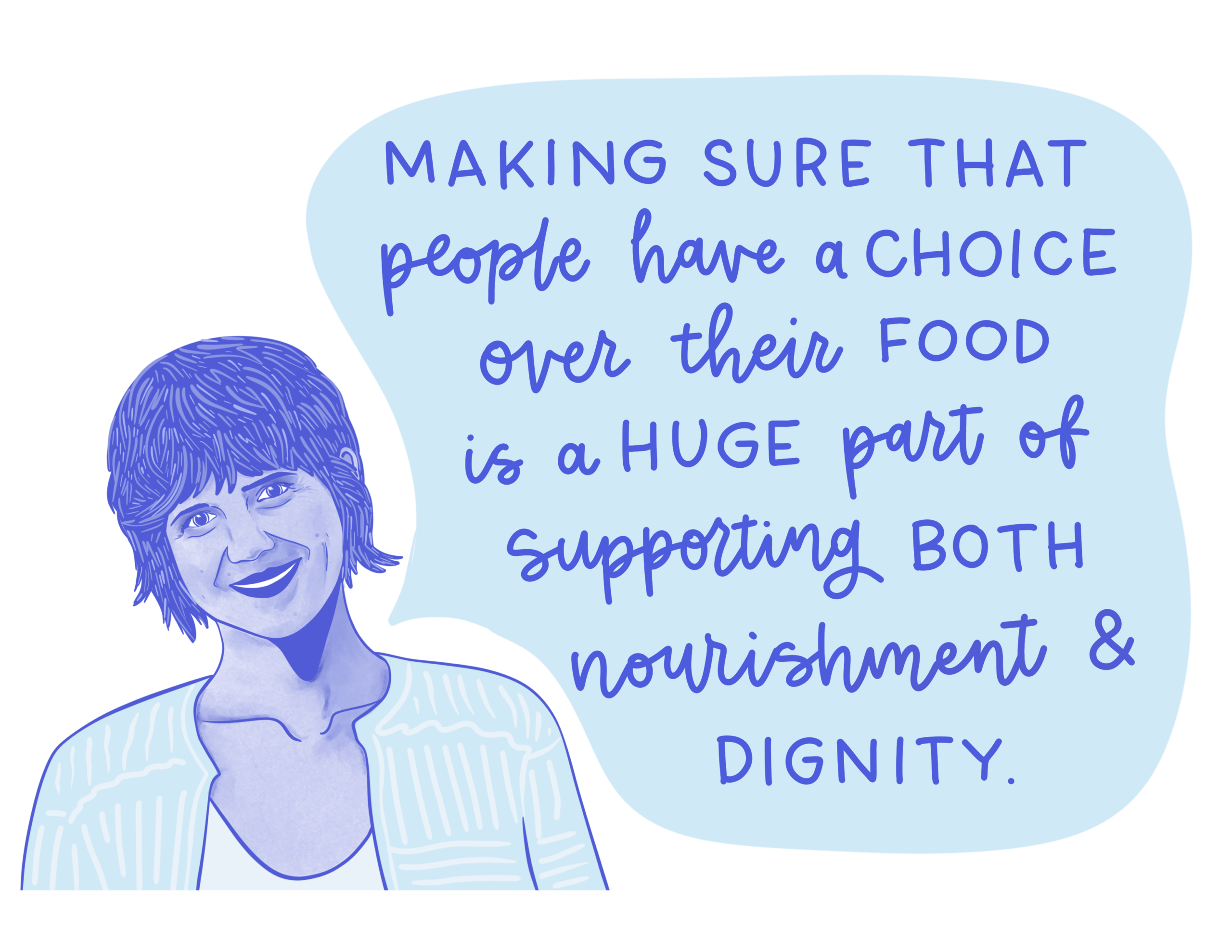
“Making sure that people have a choice over their food is a huge part of supporting both nourishment and dignity,” says Schmidt, connecting the dots between LFPA funding and an overall shift in the food pantry system toward more choice and more fresh food.
“Strong relationships with local farm partners benefit our programming by increasing the quality and stability of the food we are able to provide,” says Schmidt of patterns that, until March 2025, were being sustained. In the absence of funding to purchase local food, states are scrambling. NECC serves about 200 families each week or 4,000 unduplicated individuals annually. Amidst ongoing economic pressures, a service spike is imminent.
“When funding for direct farm-to-food access programs is sustained—with benchmark, year-to-year allocations—the ripple effects are palpable,” says Schmidt, who has seen firsthand that food equity increases well-being, changes relationships, and boosts capacity for all individuals to be active participants in society.
Illustration by Michelle Newman.
More Local Voices


