When Farmers Feed their own communities
How farm-to-pantry programs created pathways for BIPOC growers to nourish their neighbors—and what’s at stake now
Megan Larmer
Senior Director of Programs, Glynwood Center for Regional Food and Farming
Across the Hudson Valley, a growing number of early-career and BIPOC farmers with explicit food-access missions have utilized the Local Food Purchasing Agreement (LFPA) program to build successful, stable operations—many of which face swift and devastating consequences after $1 billion in funding was slashed from a pair of USDA programs.

“The withdrawal of crucial farm-to-pantry purchasing puts regional farms and farm businesses in jeopardy as they are forced to shift to new markets in order to stay afloat,” says Megan Larmer, senior director of programs at Glynnwood Center for Regional Food and Farming, where investing in human-to-human relationship building is a top priority.
“Farmers want pathways to feed their communities,” says Larmer, pointing to the Food Sovereignty Fund which matches 32 farms to 21 food-access programs with community in mind. For example, the Asian American led Choy Commons in Orange County grows culturally appropriate food for Ascension Outreach’s food pantry in lower Manhattan. There, Chinese-American elders are receiving nutrition assistance via Asian heritage crops and building community in the process.
“The loss of federal dollars is particularly painful for BIPOC farmers who want to grow culturally specific food for folks who look like them,” says Larmer, pointing to grants like New York Food for New York Families that once made this work possible.
“The option to pay farmers to feed communities facing oppression is disappearing while demand for fresh and nutrient-dense foods among food-insecure populations continues to grow,” says Larmer, emphasizing the excruciating choice many farmers currently face: selling their crops to folks who can afford the unsubsidized cost of local food production or closing up shop.
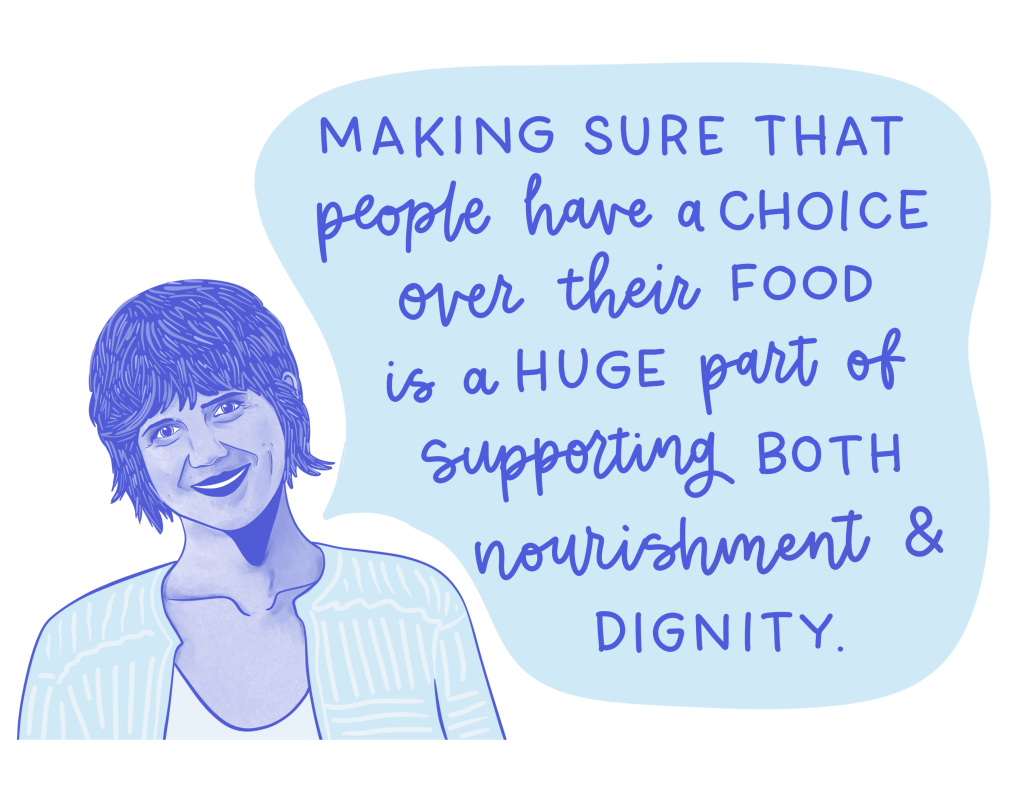
“Diverse local food systems promote food security by making fresh, nutrient-dense food available and accessible,” says Larmer, underscoring how LFPA and programs like it are invaluable to the community at large. “When local farms consistently provide high-quality produce within days of harvest, they address issues of dignity, labor, and nutrition all at once—while building a just and resilient food system in the process.”
Illustration by Michelle Newman.
More Local Voices